

Why Equity Release Providers May Prefer an Auction Sale
When someone takes out an equity release loan, a lot of people simply tend to only focus on the immediate benefits.
This is because releasing money from your home can help to fund your retirement, repay any debts, support your family members and loved ones or simply provide greater financial freedom during your retirement [1].
However, it is also equally important to consider what happens when the plan comes to an end, after you pass away or move into a care home.
Remember, if you opt for a lifetime mortgage then your loan will continue until you pass away or move into a care home. Once this happens, your home will be sold and the proceeds from the sale of the property will pay off the equity release loan in full.
If it does not sell for enough money, then your lender will have to pay the difference under the no negative equity guarantee.
Whilst many homes are sold through traditional estate agents, there are a number of situations where an auction sale might actually be considered better instead.
In fact, depending on your specific circumstances, an equity release provider might even prefer an auction sale because it offers greater speed and certainty.
This article will explore what this might be the case, what it means for your loved ones and for your inheritance.
What Happens to an Equity Release Plan After Your Death?
With a lifetime mortgage, the homeowner will remain the legal owner of the home until the last remaining homeowner passes away.
When the final homeowner passes away or permanently moves into a care home, the loan then needs to be repaid.
This is usually achieved by selling the property, although loved ones can sometimes repay the loan using their own funds if they wish to keep the home within the family.
After the property has been sold, the proceeds from the sale of the home are typically divided up between estate agent costs, legal fees and other selling costs.
The interest from the loan will also be repaid, as well as the initial loan amount. Anything left will be given to your next of kin and loved ones depending on what is written in your Will.
The amount that the house will sell for will depend on a number of factors, including the property’s sale price, the size of the loan, how much interest has built up and how long the plan has been in place for.
The loan amount will also differ depending on whether any voluntary repayments have been made.
For many families, it is important to get the highest possible sale price for their home, which is naturally a priority. There are a number of factors that will influence how much your house sells for, including market conditions and timing.
Why Timing Matters So Much
Most equity release lenders allow 6 months for the house to be sold.
Although timescales vary between equity release lenders and individual circumstances, homeowners are generally expected to begin the sales process quickly and shortly after the last homeowner has passed away or moved into a care home.
If a property remains unsold for an extended period of time, then additional interest might be charged, as the lifetime mortgage remains in place until the loan is repaid in full.
This can be difficult for many people who want to sell the home quickly, but who also want to get the most amount of money possible.
This is one of the reasons auction sales can become attractive, as they can be a quick solution if a property is struggling to sell on the traditional housing market.
Why Might an Equity Release Provider Prefer an Auction Sale?
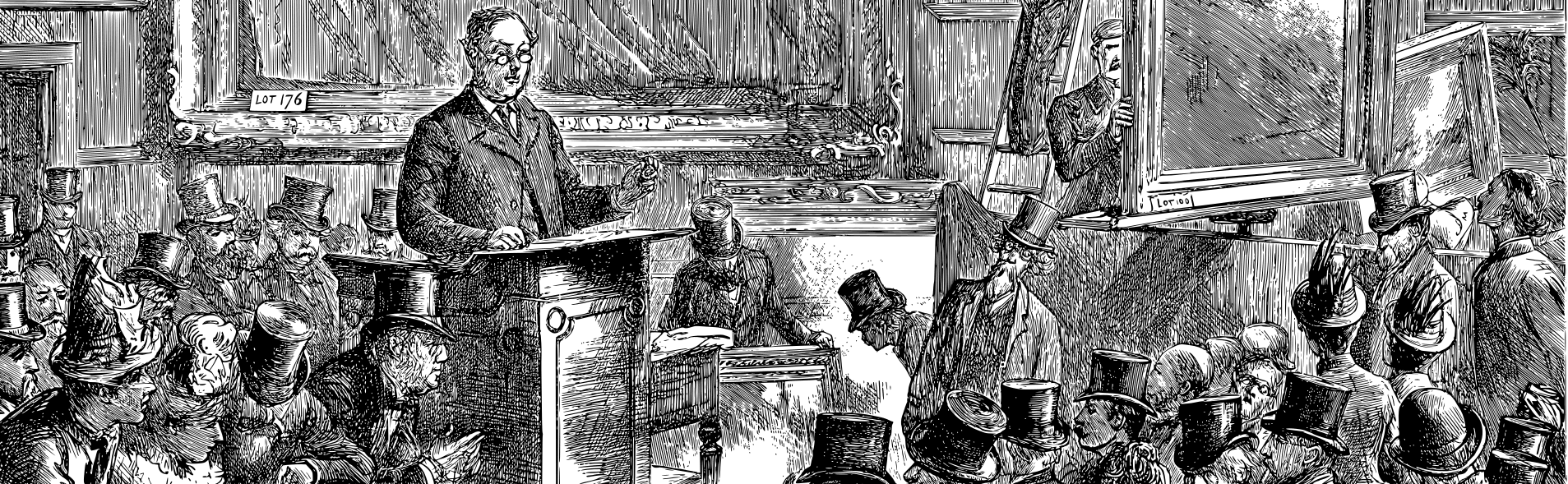
It is important to understand that an auction sale offers something that the traditional property and housing market cannot always guarantee, and that is certainty [2].
Things in auctions typically happen quicker, with most homeowners completing purchasing within 28 days.
Going through an estate agent on the traditional housing market could take a number of months and could also make you vulnerable to delays or a collapse of the chain.
For an equity release lender who wants to get their money back, choosing an auction has definite value for a number of reasons, some of which are listed below for you.
1. Faster repayments
It is important to understand that auction sales often complete much more quickly than conventional sales do, which can take a number of months. This means that lenders will get their money back a lot quicker.
2. Reduced risk of collapse
If you have ever bought or sold a home, then you will know that property chains regularly collapse. This happens for a number of different reasons, including mortgage applications being declined, buyers withdrawing and survey issues meaning that people pull out of the sale.
However, at auction, the successful bidder usually pays a deposit immediately, sometimes on the same day, and is contractually obliged to complete the sale within 28 days.
Does an Auction Sale Mean the Property Will Sell for Less?
No, choosing to go to auction does not necessarily mean that your property will sell for less than it would on the traditional housing market.
In fact, one of the biggest misconceptions surrounding going to auction is that every property sells below market value. In reality, your success at auction often depends on several factors, including the property’s location, demand, its condition, the reserve price, marketing and competition between bidders [2].
It is important to understand that properties that require extensive renovation, or complex legal issues might achieve lower prices compared to what they would sell for if they were sold on the traditional housing market.
As you can see, there is therefore no universal answer, and the most appropriate selling method depends entirely on the individual property and your specific circumstances.
Which Properties Are Often Sold at Auction?
Auction sales are particularly common where properties need major renovation work, as they might appeal to developers or investors who regularly purchase properties at auction.
Likewise, empty and vacant properties are often sold at auction, as they often need to be sold promptly due ongoing maintenance, deterioration or security concerns.
Other properties have structural issues that mean that they struggle to get a mortgage, meaning that cash buyers are likely to snap them up at auction.
How Does This Impact the Size of Your Inheritance?
This is often the biggest concern for families who release equity from their home. This is because instead of the proceeds from the sale of the home going to your loved ones as inheritance, the proceeds from the sale will pay off the equity release loan, including any interest.
If a property sells for more than the loan amount, then there is generally more equity remaining which will go to your loved ones as inheritance. If it sells for less, then your loved ones will not receive inheritance from the sale of your home.
However, things are typically more complicated when you opt to sell the house through an auction. This is because a property marketed on the traditional market might achieve a higher sale price but could take nine months to sell.
During that time, your interest will likely grow, and you will likely need to continue to pay council tax and utility bills as well as probate.
Alternatively, an auction sale will likely complete within just a matter of weeks, reducing your costs. Although the sale price at auction might be slightly lower, the reduced interest and lower maintenance costs could end up saving you money in the long term.
Can You Protect Some of Your Inheritance for Loved Ones?
Many people assume that taking out an equity release loan means that you are leaving nothing behind for your loved ones in the form of inheritance. It is important to understand that this is rarely the case.
This is because most modern lifetime mortgages include features that may help to preserve some form of inheritance for your loved ones, including inheritance protection, voluntary repayments and drawdown lifetime mortgages.
What If the Property Sells for Less Than the Outstanding Loan?
One of the biggest concerns for homeowners who opt for equity release is what happens if the proceeds from the sale of the house does not cover the loan amount. Luckily, protection is offered by the Equity Release Council in the form of the No Negative Equity Guarantee.
The No Negative Equity Guarantee ensures that you, not your loved ones or your estate will ever be liable to pay back the loan if the proceeds do not cover the loan amount, even if house prices fall significantly. Instead, the lender will pay the shortfall.
The Importance of Planning Ahead
Having open conversations with loved ones and family members before taking out an equity release plan can help to better manage your expectations and avoid any misunderstandings later down the line.
Discussing your intentions with your family members will also manage their expectations when it comes to how much inheritance they are expected to receive once the house has been sold and the equity release loan has been repaid.
Likewise, it is important to plan ahead and review your options, such as inheritance protection or voluntary repayments.
Discussing the different features of an equity release loan with a qualified equity release adviser will help to ensure you are planning ahead and making the right decisions in both the long and short term.
Conclusion
As discussed, an auction sale is not always the preferred option for every equity release lender, just as it is not always the right solution for every individual who is considered equity release.
However, if speed, certainty and reducing any ongoing costs are important to you, then opting for an auction offers clear advantages.
Likewise, if leaving an inheritance is important to you, then you should discuss this with your equity release lender before taking out an equity release loan.
By discussing your concerns and your options, your adviser can help you to choose a plan that aligns with both your goals and your family’s future.
References
[1] https://nationaldebtline.org/get-information/guides/equity-release-ew/
[2] https://www.savills.co.uk/landing-pages/how-to-sell-a-property-at-auction.aspx